What is K-Beauty and What is a Korean Glass Facial?
The philosophy of Korean Beauty (K-Beauty) differs from traditional Western approaches to skincare in that Western routines have historically leaned toward aggressive "correction" to force immediate surface results, while K-Beauty treats the skin as an ecosystem to be nurtured.
The Core Philosophy of K-Beauty
The foundational pillar of Korean skincare is skin longevity, deep hydration, and a barrier-first mentality.
- Prevention Over Cure: Culturally, the goal is to prevent skin issues from occurring rather than treating them after they appear.
- Respecting the Skin Barrier: Rather than working against the skin by stripping its natural oils, K-Beauty works with it. It focuses heavily on protecting the stratum corneum (the outermost layer) using soothing, skin-identical ingredients like ceramides, centella asiatica (cica), panthenol, and hyaluronic acid.
- Layering for Health: Achieving the famed "glass skin" look isn't about covering up flaws with makeup; it's about layering lightweight, watery hydration (toners, essences, and ampoules) so the skin remains plump, elastic, and naturally radiant from within.
The Intersection of K-Beauty and "Dermaceuticals"
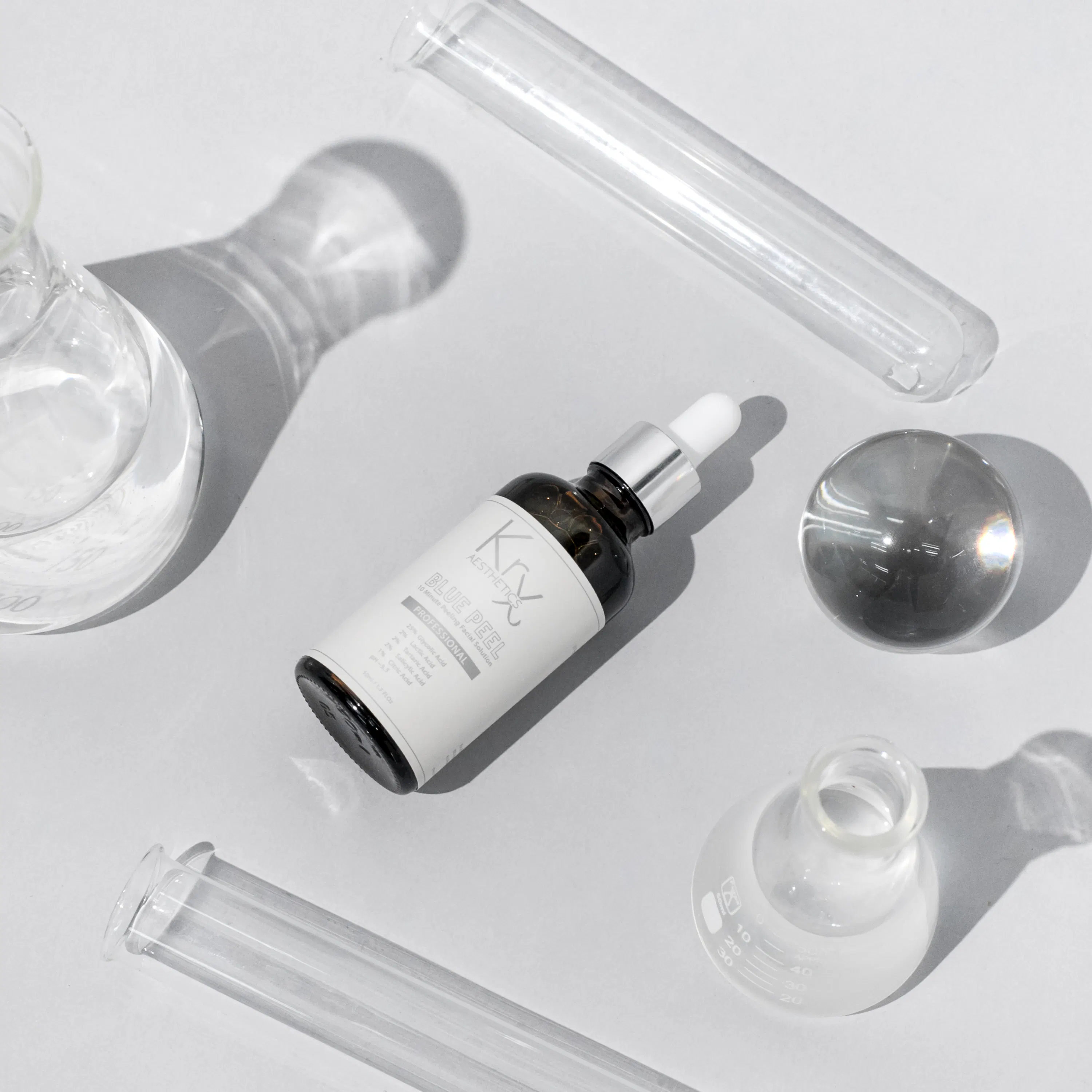
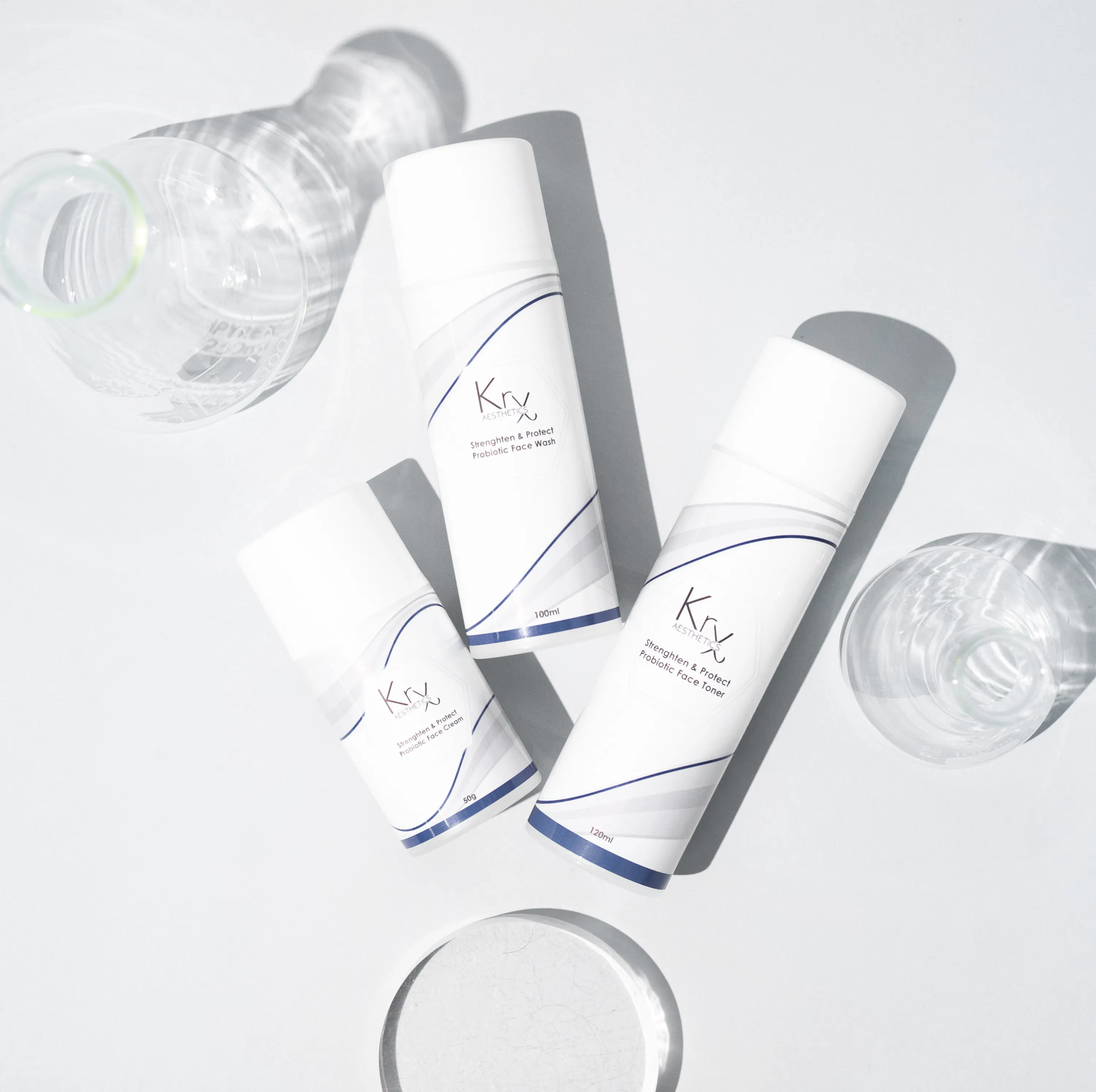
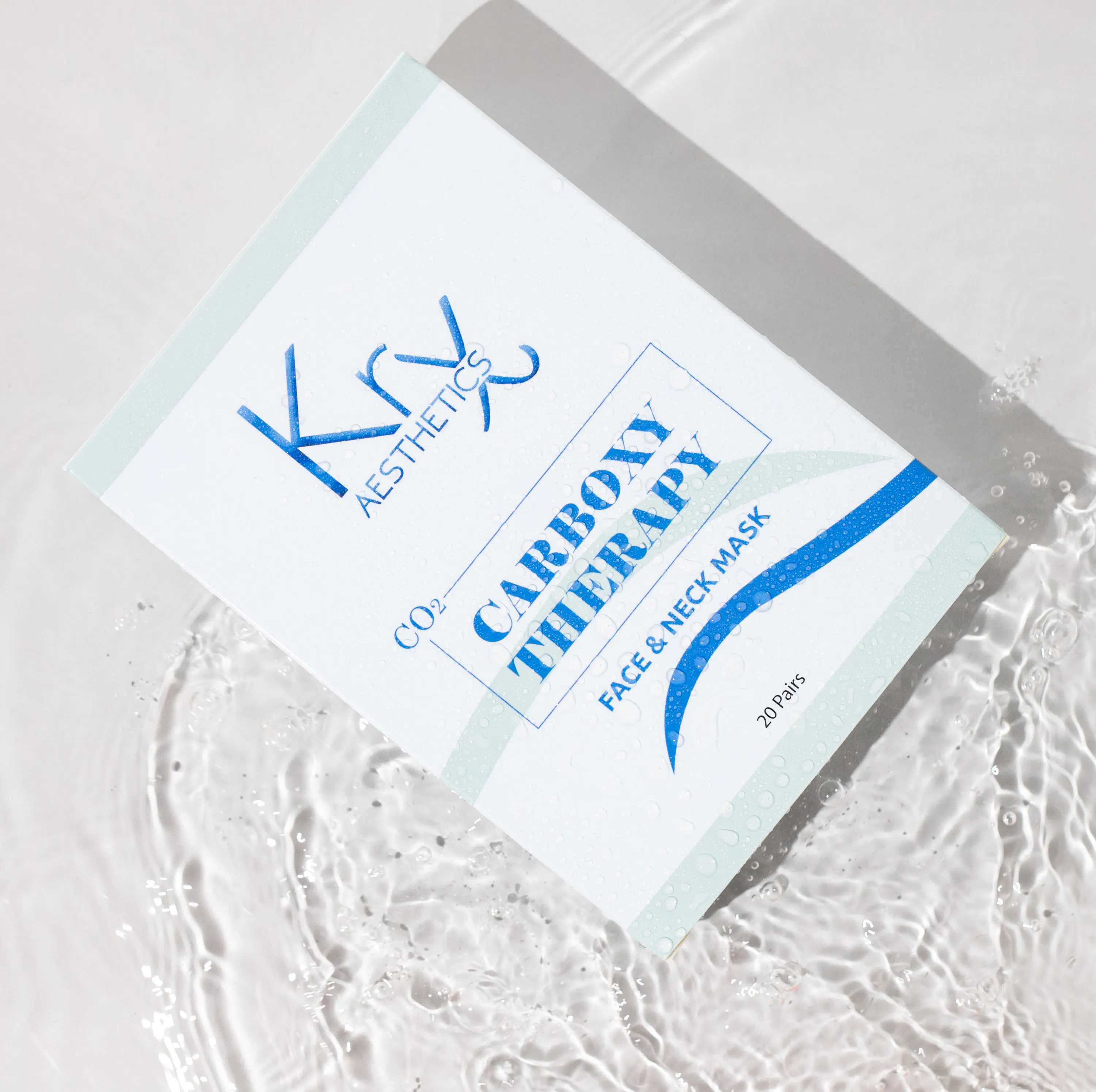
As the industry has evolved, this traditional, holistic philosophy has merged with modern clinical science, giving rise to Korean Cosmeceuticals (or Dermaceuticals). Brands like KRx Aesthetics and Corthe represent this professional-grade evolution. They take the gentle, nurturing principles of K-Beauty and scale them up using medical-grade research to support both in-clinic treatments and advanced home care.
1. KRx Aesthetics (by Kin Aesthetics)
KRx Aesthetics is a professional-only range designed to elevate aesthetic practices. It perfectly bridges the gap between high-performance, clinical outcomes and traditional holistic care.
- The K-Beauty Connection: It respects the core ritualistic nature of K-Beauty by emphasizing foundational skin protection, rather than aggressively burning away the skin barrier to resolve issues like acne or hyperpigmentation. KRx uses advanced, multi-ingredient blends (like specialized peptides and vitamins) that target the root cause of skin distress while keeping the skin comfortable and balanced.
2. Corthe
Corthe is a medical-grade skincare line frequently utilized in South Korean dermatological clinics and specialized aesthetic spas, designed specifically for compromised, reactive, or post-procedure skin.
- The K-Beauty Connection: Corthe operates heavily on the principles of Corneotherapy, which is an "outside-in" therapy approach. The brand’s philosophy centers entirely on repairing and maintaining the stratum corneum to protect the deeper layers of skin.
The Korean Glass Facial
A Korean Glass Facial is the clinical realization of the K-Beauty philosophy. It is not just a random sequence of pampering steps; it is a highly strategic, professional treatment designed to create a completely smooth, uniform, and light-reflective skin surface.
To achieve "glass skin" (skin that is so translucent, plump, and poreless it mimics a pane of clean glass), an aesthetician must manipulate the way light interacts with the skin. This requires flattening the micro-texture of the stratum corneum and hyper-saturating the tissue with moisture.
Using professional products and principles found in brands like KRx Aesthetics and Corthe, a clinical Glass Facial is typically implemented through the following progressive phases:
Phase 1: Creating a Pristine Canvas (The Cleanse & Prep)
Because glass skin requires maximum light reflectivity, any surface debris, sebum, or makeup will scatter light and make the skin look dull.
- The Method: The facial begins with a meticulous Double Cleanse—first an oil-based cleanser to melt away sebum and SPF, followed by a gentle, low-pH water-based cleanser.
Phase 2: Micro-Refining Texture (Gentle, Non-Stripping Exfoliation)
You cannot have glass skin without a perfectly smooth surface. However, traditional Western facials might use an aggressive microdermabrasion or high-percentage glycolic acid peel that leaves the skin raw and red.
- The Method: A Glass Facial utilizes LHA (Lipo-Hydroxy Acid), PHA (Poly-Hydroxy Acid), or mild enzymatic peels. PHAs and LHAs have larger molecular sizes, meaning they exfoliate the very surface of the skin slowly and gently without triggering an inflammatory response.
Phase 3: The Hydration Marathon (Layering and Nano-Infusion)
This is where the core K-Beauty philosophy of "flooding the skin" takes over. Rather than applying one heavy, thick moisturizer, the aesthetician layers multiple lightweight, nutrient-dense liquids from thinnest to thickest.
- The Method: Toners, botanical essences, and highly concentrated ampoules are pressed into the skin. To elevate this to a clinical level, aestheticians frequently use Nano-Infusion technology or Electroporation (painless, needle-free modalities) to drive these ingredients deep into the epidermis.
Phase 4: The Occlusive Seal (The Modeling Mask)
To lock in the massive amount of hydration introduced in Phase 3, a traditional sheet mask isn't enough. A professional Glass Facial almost always utilizes a Rubberizing Modeling Mask or a specialized film mask.
- The Method: A thick, cooling paste (often infused with botanicals like Centella Asiatica, Algae, or Charcoal) is slathered over the entire face, creating a vacuum-like, rubberized seal.
Phase 5: Barrier Lock & Reflection
The facial concludes with targeted tools, like Cryo-globes (ice rollers) to soothe the skin, followed by a final layer of medical-grade barrier protection.
- The Method: Application of an ultra-lightweight, lipid-replenishing barrier cream and a high-factor, dew-enhancing sunscreen.
The End Result
When implemented correctly, a Korean Glass Facial bypasses the traditional "peel and heal" downtime of aggressive treatments. Because it honors the skin ecosystem, a client walks out of the clinic with zero downtime, zero redness, and an immediate, lit-from-within luminosity that stays plump for days.